I trust that watching those videos has put to rest any doubt about the complexity of what's going on in (and around the outside of) the diff and indeed in any contraption that's more-or-less a blender half-filled with liquid.
Crumpler wrote: ↑Sat Dec 28, 2024 11:10 am
In line temp sensor with gauge in cockpit.
I had planned on that being pre cooler, but open to suggestions.
Since the purpose is to cool the gear oil, one temperature sender won't tell you anything. You need two. You need one that sends fluid output temperature and one that sends post-heat-exchanger temperature. This will tell you
- the temperature drop you achieve and
- when the system fails
Crumpler wrote: ↑Sat Dec 28, 2024 11:10 am
My plan was to fill lines and exchange and then normal fill line in case, so volume would be the same. Again open to input.
Ideally you want operating fluid level to be the same, but that's hard to figure out. Shooting for the nominal fill should be plenty good.
Crumpler wrote: ↑Sat Dec 28, 2024 11:10 am
There were many options as to switch, based on temperature or manual. Everything else is manual toggle switches, so I continue that theme.
Basically, turning it on for track sessions.
Indeed before doing any "development" I'd want temp data from the unmodified stock system. But, that ship sailed. So...
I'd start with a manual switch. First I'd run it on the track to see what "uncooled" oil temperatures look like. It may be that you aren't over-heating the oil. You also don't want oil that's too cool.
IMO, oil temp in the 180 to 200 degree range is what you want, but you should do some due diligence on that.
Once you've acquired some data, leave the switch off on the warm up lap to heat the oil and then turn it on.
If you find that you are consistently "over-cooling" the oil then you'll need temp-switched activation.
If you find that you are indeed cooling the oil, but not enough, then you'll need to do some more engineering.
I suspect though, that toggle-on after the warmup lap and then just leaving it on for the whole session will get you reasonable control assuming you have good flow through the heat exchanger.
Ideally you'd do some calcs to size the HEX and fluid flow requirements. But, in this case, you'll be constrained on where the HEX can be located and thus on it's size.
Crumpler wrote: ↑Sat Dec 28, 2024 11:10 am
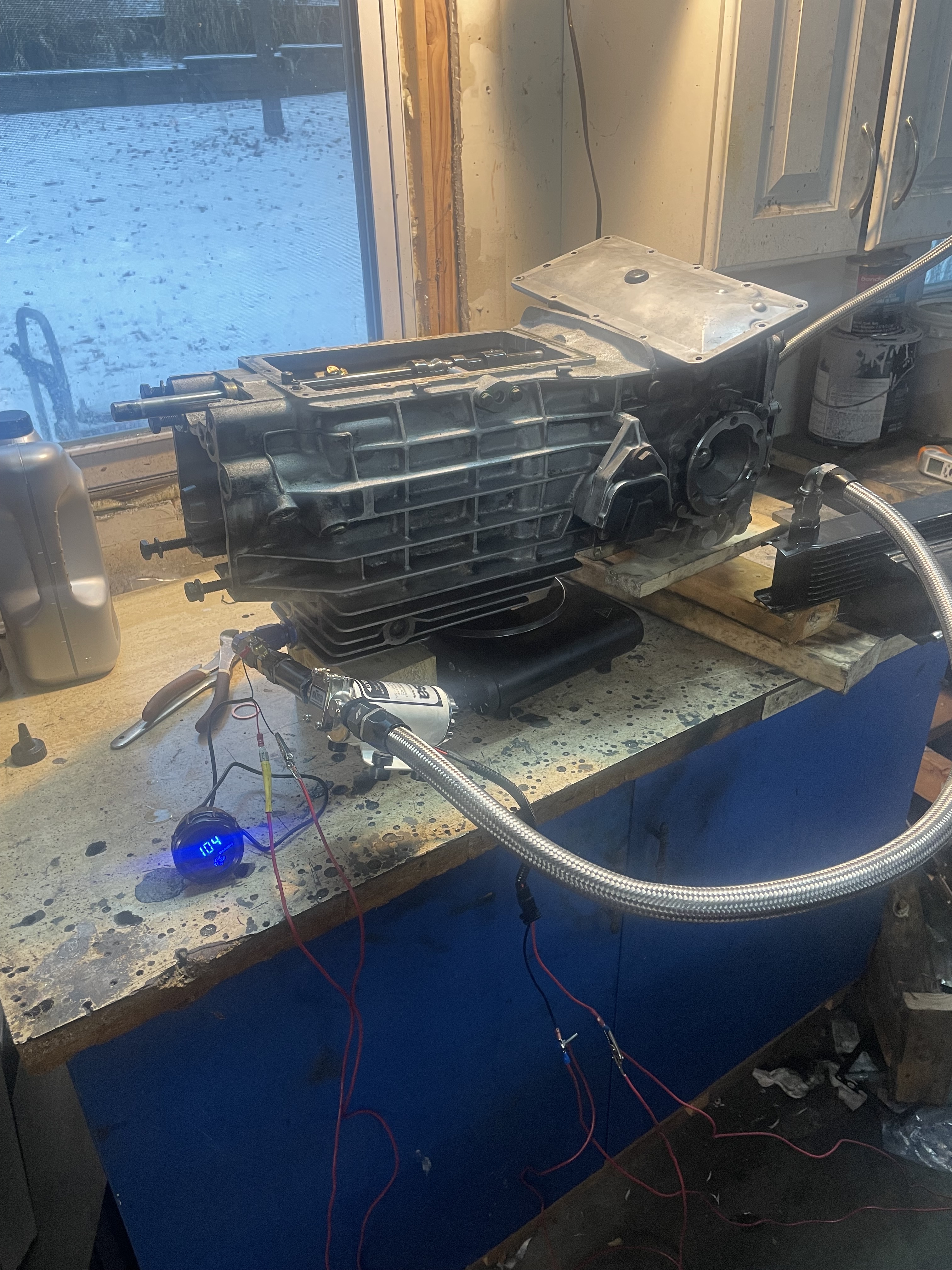
I’m assuming this pump could push gear oil at cold viscosity but I don’t want to burn the pump out.
Yeah, well, if the pump will pump 75w hot oil but kills itself with 90w cold oil, you'll want to figure that out on the bench.
Also, note that it is a "Fluid Pump" and not a "Foam Pump" hence the need to have some idea of the aeration of the oil. It's possible that you may need some accommodation for air/oil separation. The pump will NOT HELP with aeration. It will make it worse.
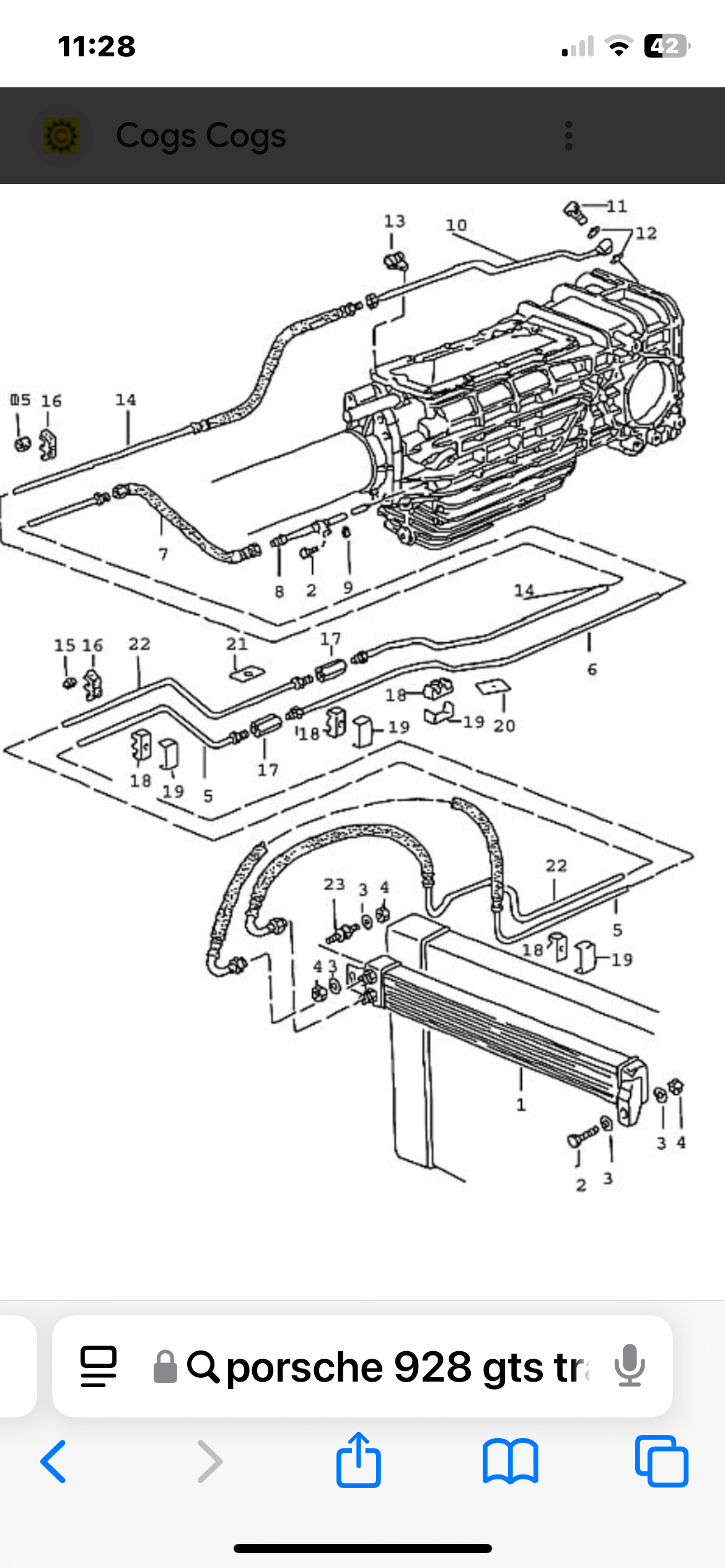
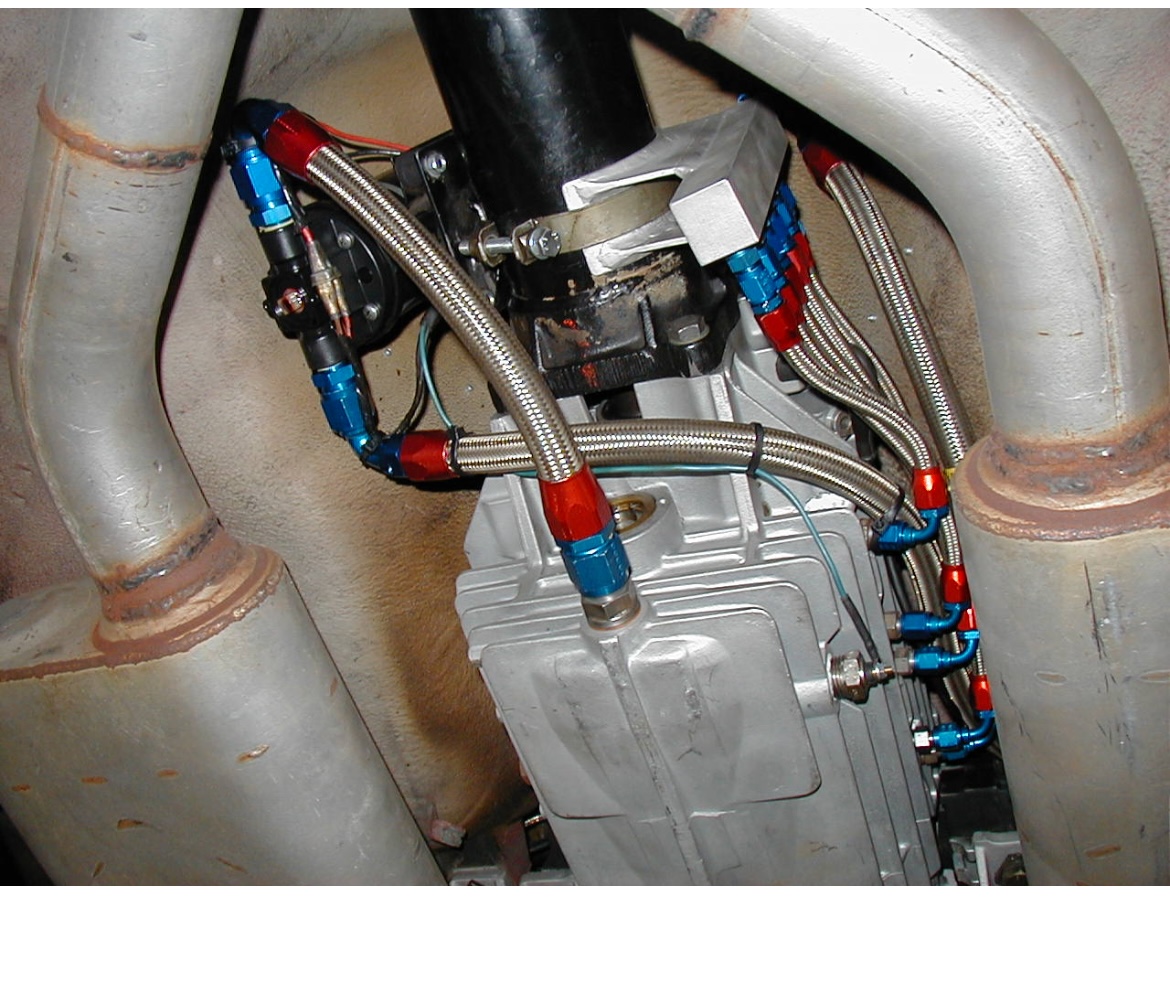
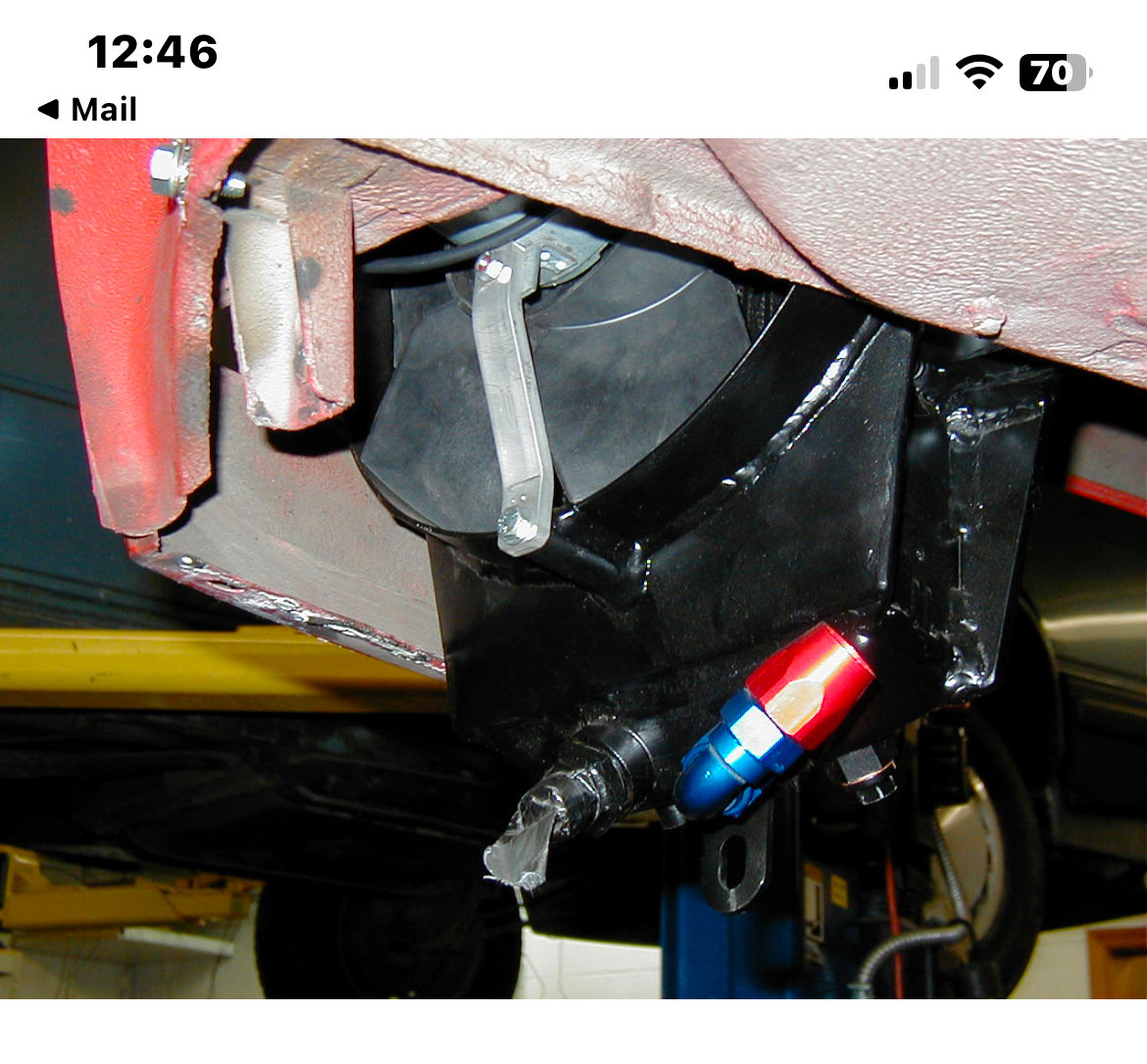
The factory GTS system with it's 20-ish feet of hoses and two different heat exchangers probably also has some separation functionality.
Crumpler wrote: ↑Sun Dec 29, 2024 10:03 am
I can reproduce all the variables except movement of the internals.
Actually, I think you could reproduce internals movement. With no bit's hooked up to the output, very little toque is required to spin the box. Now, a mechanism that would allow you to reproduce the full 900 to 6200 RPM range might be difficult, but you could get *some* movement.
Crumpler wrote: ↑Sun Dec 29, 2024 10:03 am
No idea about foam.
I think you do now? Yes? After watching those videos?
Me... after watching those videos, I think the stock diff cover could be *vastly* improved upon both in terms of internal shape for oil control and external shape for scooping up air and directing it over the back of the cover. I thought that aspect of Bank's design was really cool.
Crumpler wrote: ↑Sun Dec 29, 2024 10:03 am
It’s a good question. It was obvious that I had discharge from the vent on top, but I have no idea what amount is normal, and it probably wasn’t cleaned since it rolled out of the factory.
Discharge from the top vent is obvious evidence that the box got filled with gear oil foam.
Crumpler wrote: ↑Sun Dec 29, 2024 10:03 am
But, Obviously there was a concern if they started cooling in later model years, as performance numbers went up.
What kills a gear box is a) heat b) too much torque. In the second case, if you're putting 1000 lb-ft into an input shaft that breaks instantaneously at 650 ft-lbs, heat removal isn't going to help. But, if you run at 500 for an extended period of time with a system that was designed for 300 ft-lbs you will also kill the box because you're putting heat into it faster than it can dissipate the heat.
We don't know exactly why the factory added gear-oil cooling. We can speculate but we don't know for sure. Sure the theory makes sense, but we don't have data. And in any case, you beast should be putting WAY over GTS torque into the box.
Hanlon’s Razor: Never attribute to malice that which is adequately explained by stupidity.
Heinlein’s Corollary: Never underestimate the power of human stupidity.
The Reddit Conjecture: Sufficiently advanced stupidity is indistinguishable from malice.
Worf’s Razor: Never attribute to stupidity that which is adequately explained by laziness.
Worf’s Identity: Sufficiently advanced laziness is indistinguishable from stupidity
Worf's Law: Once you've mitigated risk from stupidity and laziness in your endeavors, failure is usually the result of insufficient imagination.
 My 928 Inspection Guide










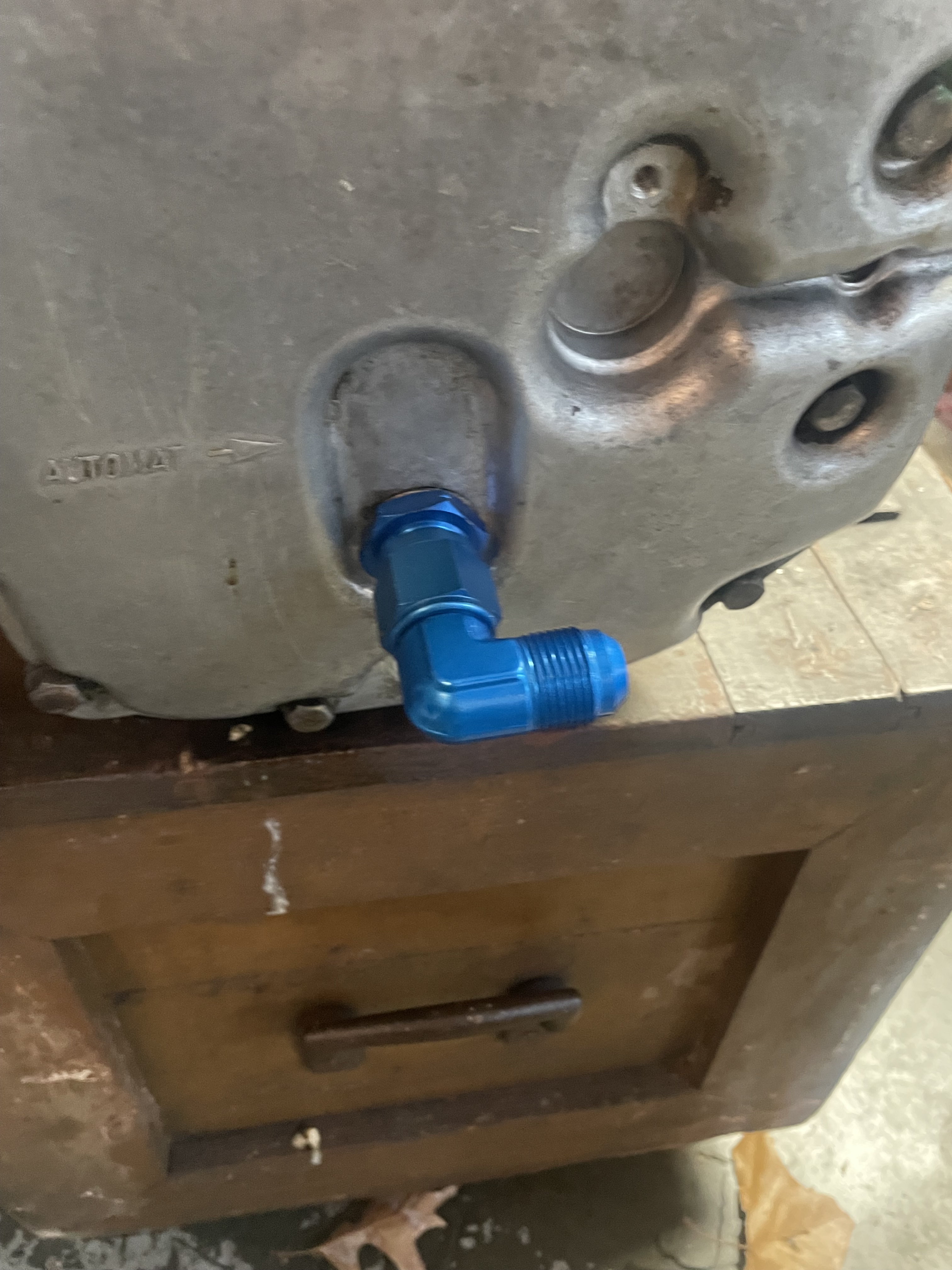
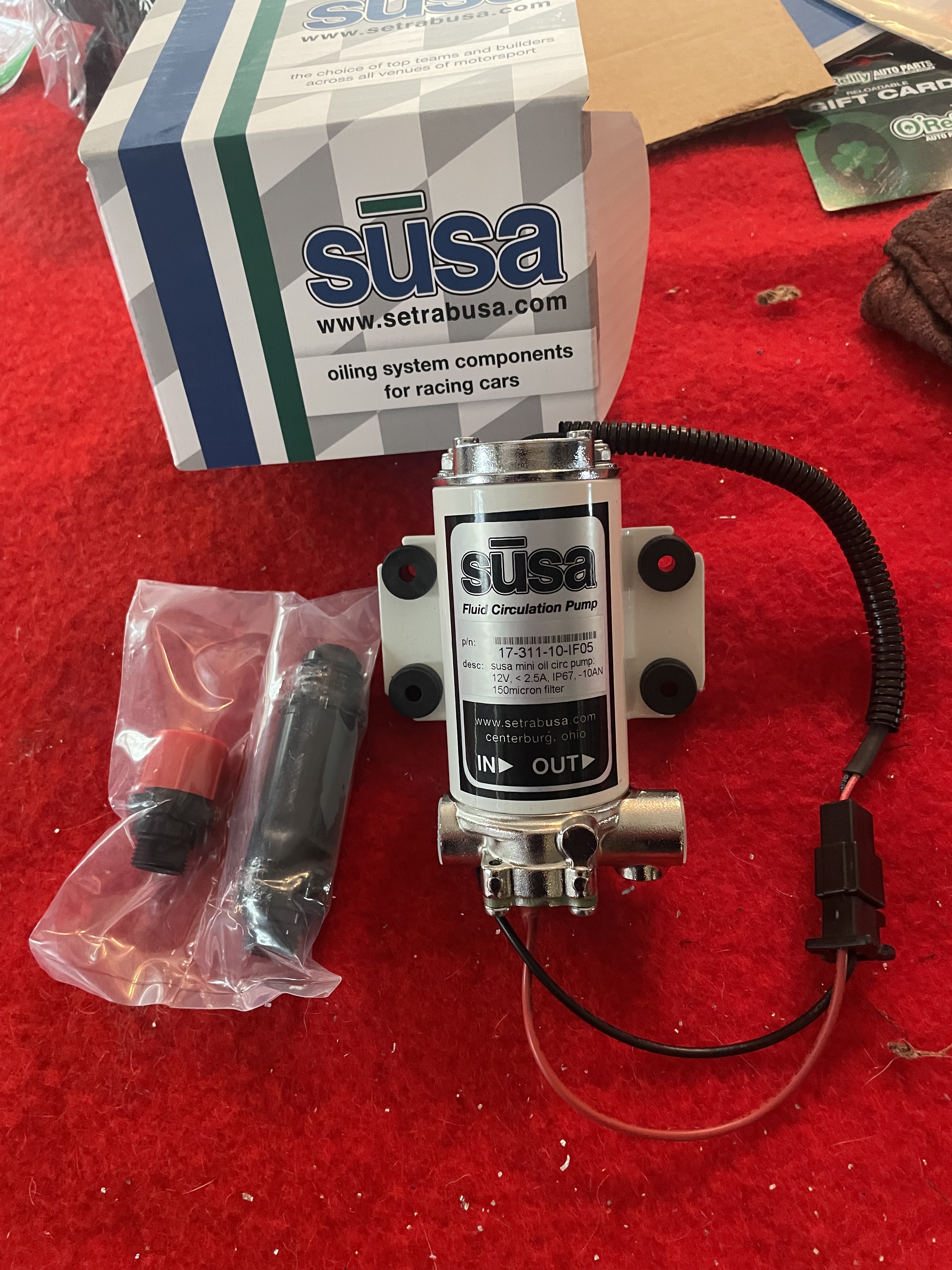
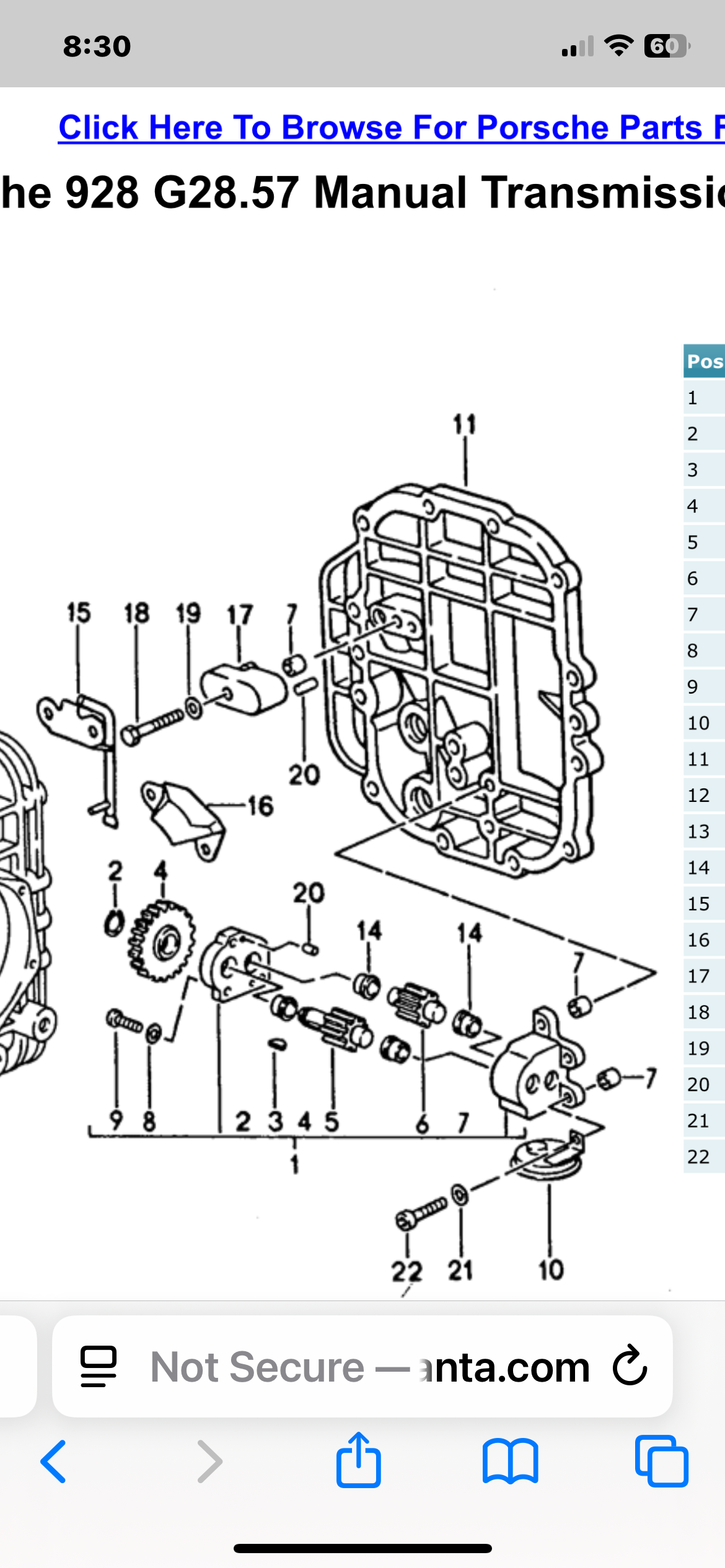
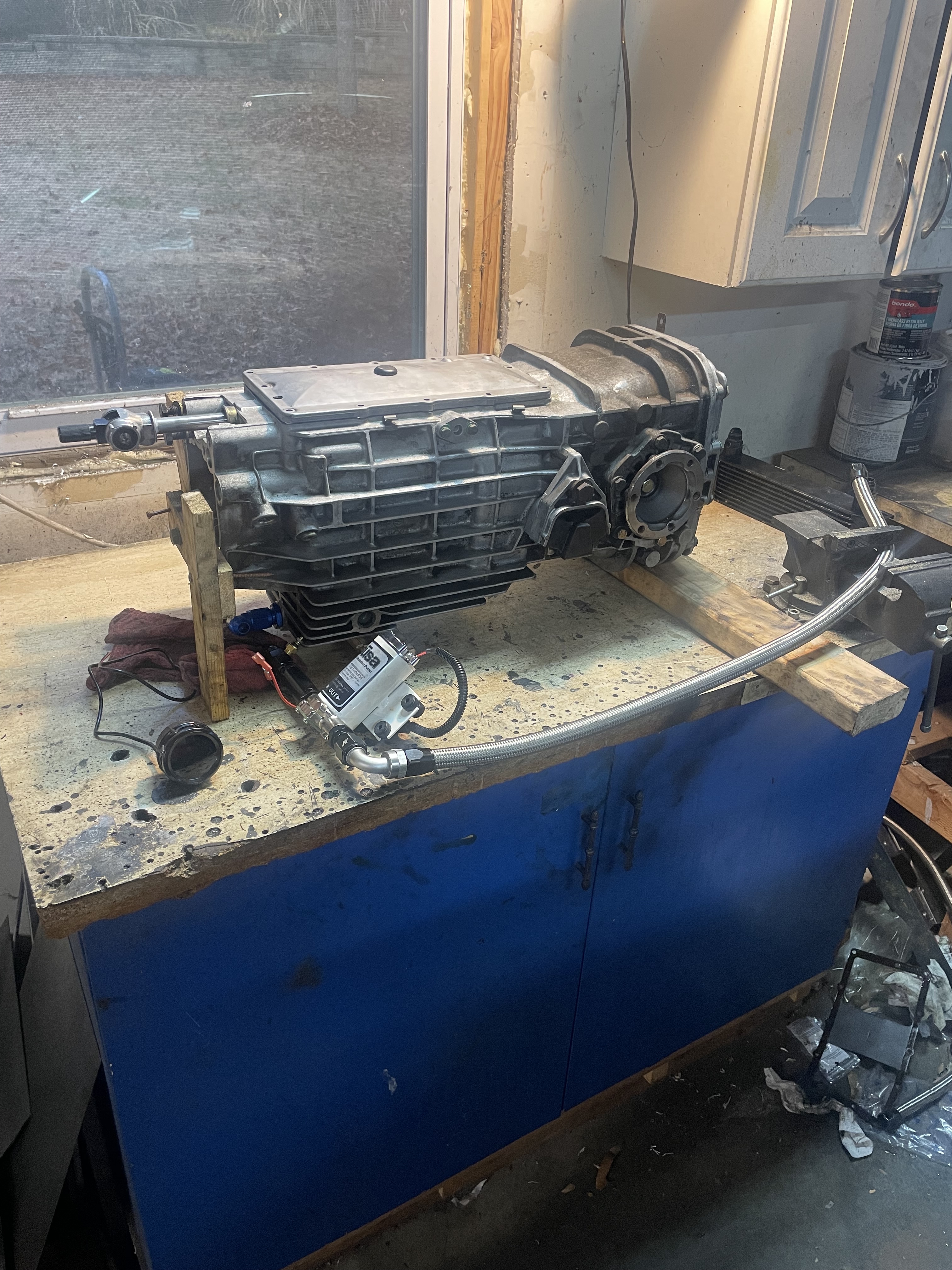

 - By h2pmr
 - By NSXguy