WyattsRide wrote: ↑Sun Mar 16, 2025 10:14 am
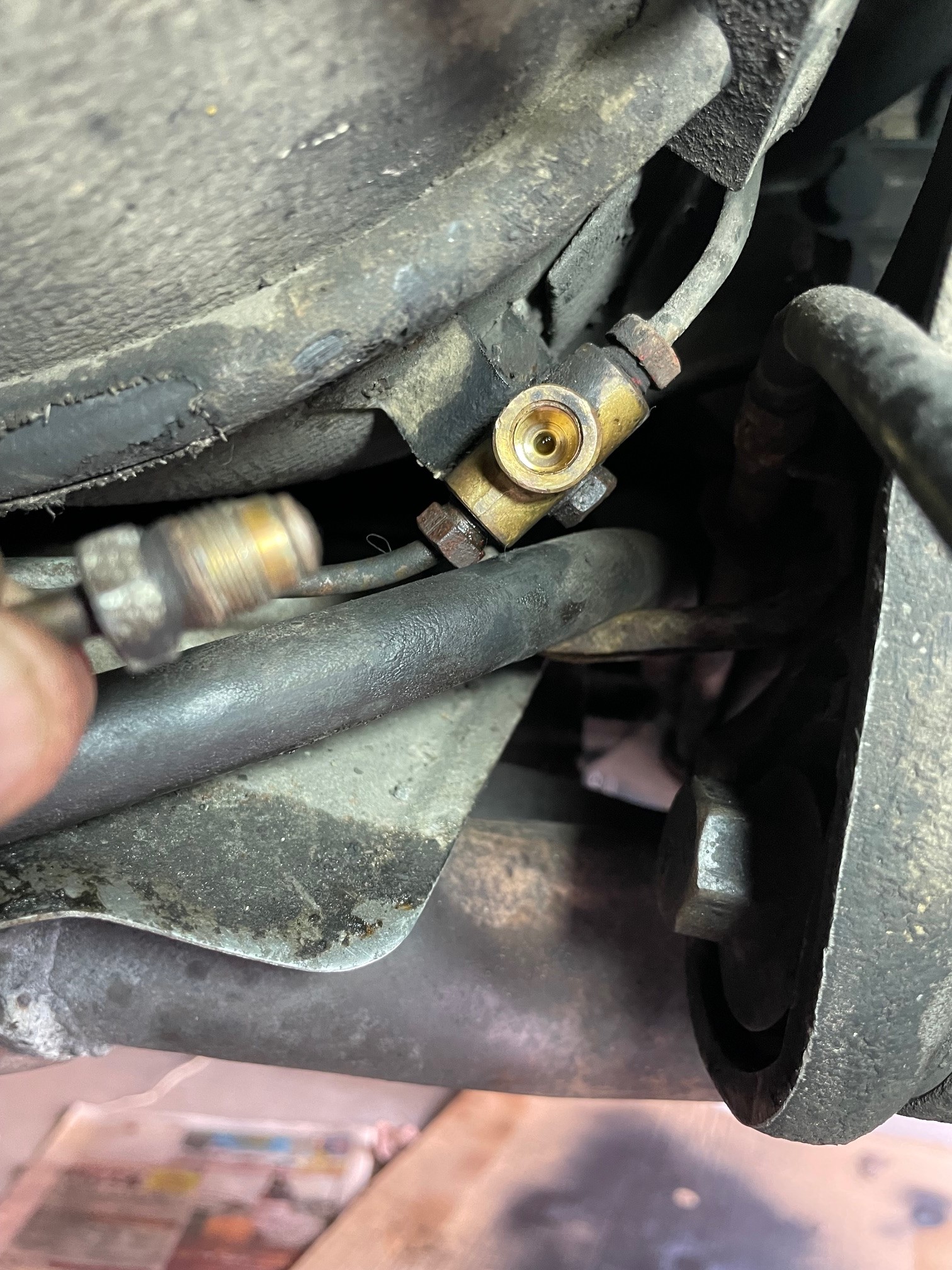
Here's how I try to get the coil around the nut.
Ok. That's what I figured based upon the original picture... and it's not gonna work very well.
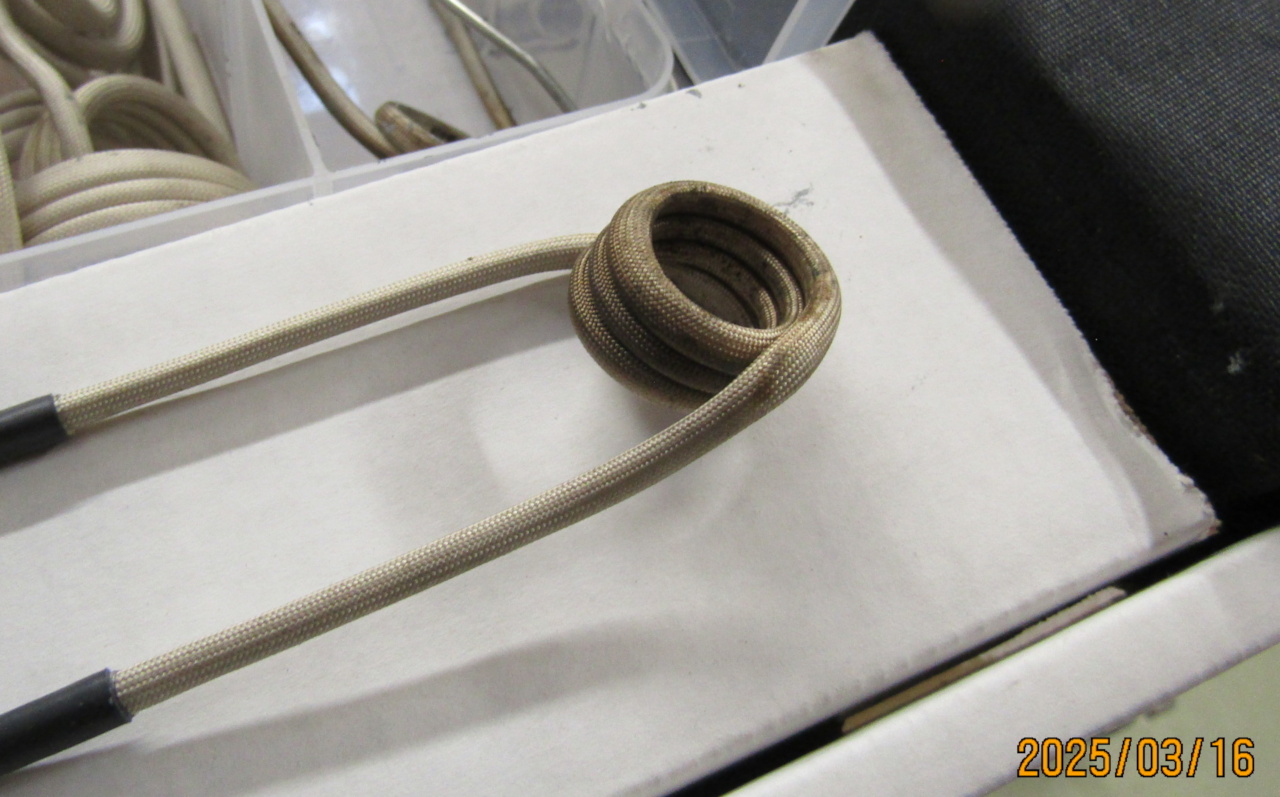
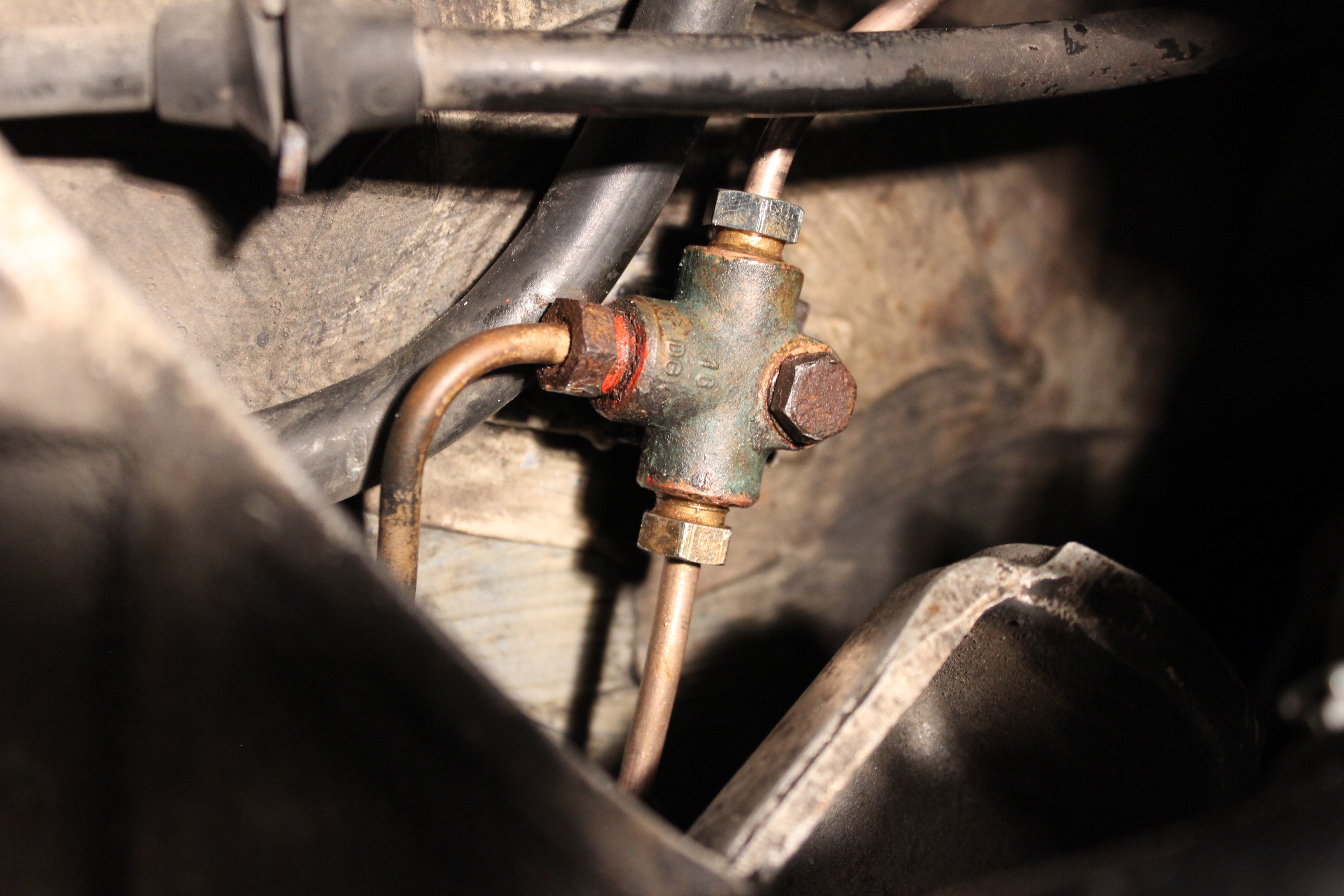
The loops of the induction heater need to loop around the objective. Not loop around the air in the vicinity. That's why it isn't getting hot. And, in your current situation you have no way to "thread" the induction heater loops over the union nut.
Here's what you need to do:
1) Cut the hard line.
Yes. All the brake fluid is going to drain out of the system. That ship has sailed. And even more will squirt out once you heat up the lines. (You were going to have to do a pressure bleed anyway. So, worrying about more fluid loss isn't "a thing.")
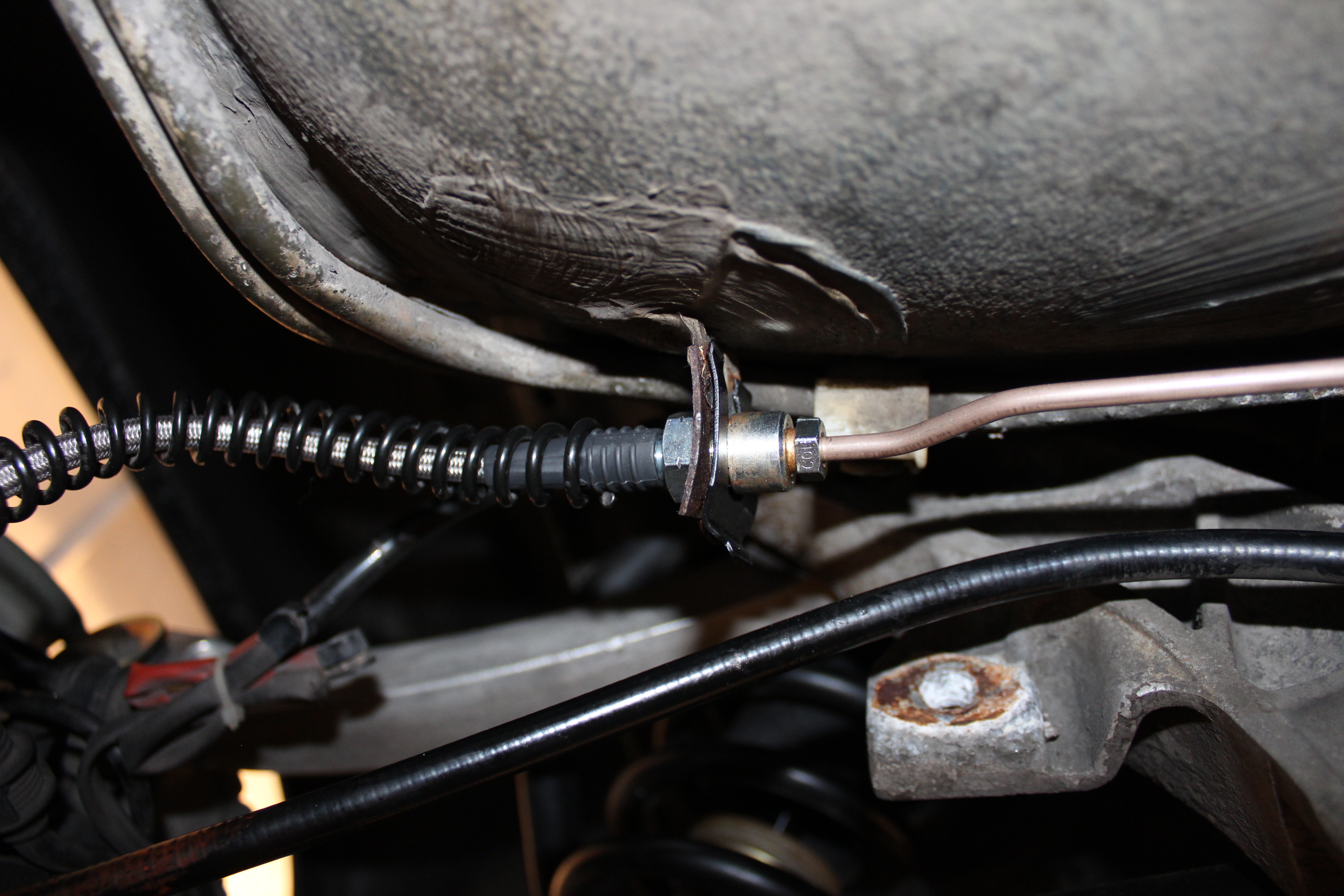
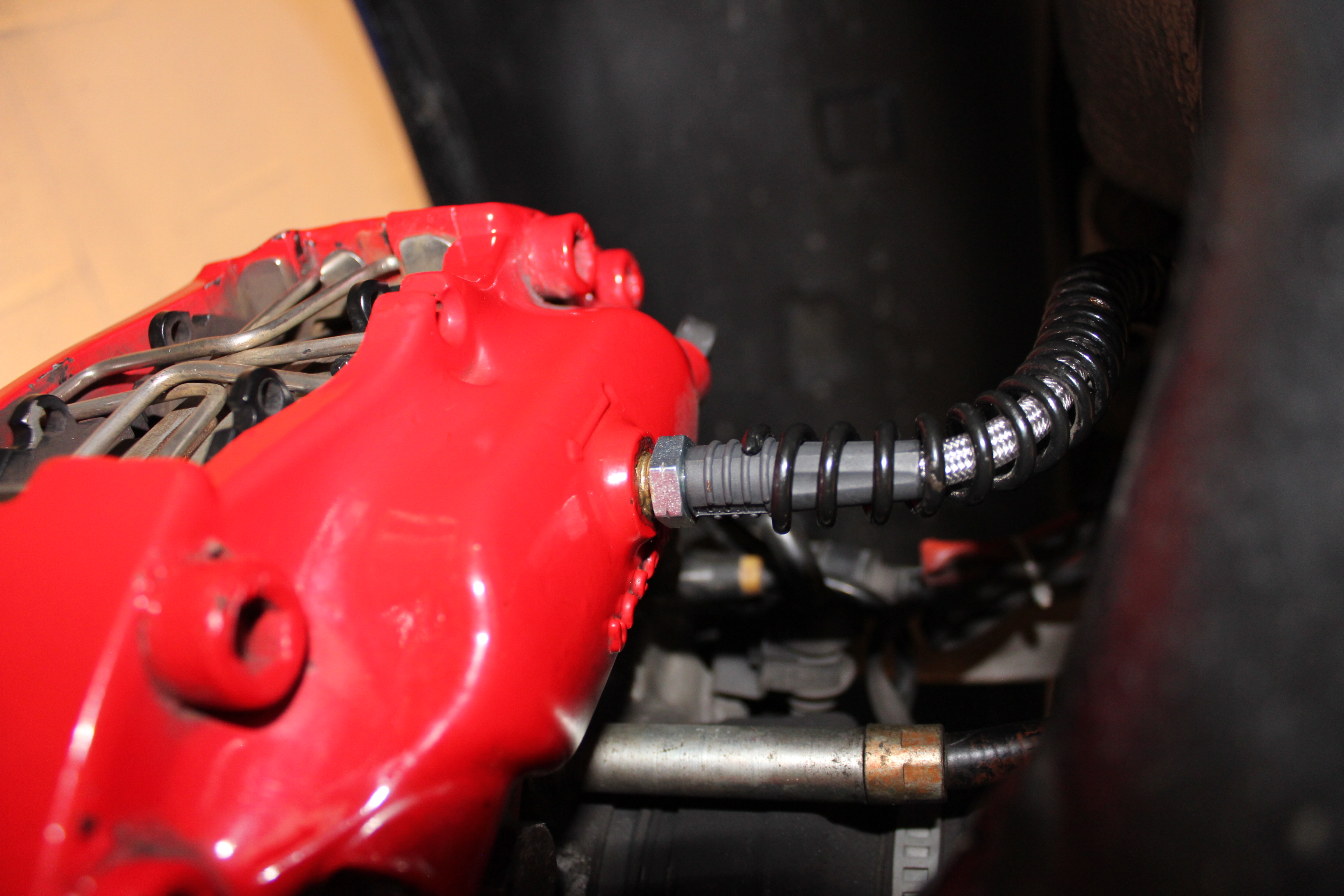
Once the hard line is in two pieces you can pull the retainer for the outboard union and withdraw the soft line and the part of the hard line to which it is attached.
2) Slip some hose, tubing, something over the open end of the hard line and direct the output to a bucket. (Have the bucket and hose ready to deploy before you cut the hard line.) You want enough hose to direct the fluid spray but no so much that it's hard to thread and unthread the heater's coil.
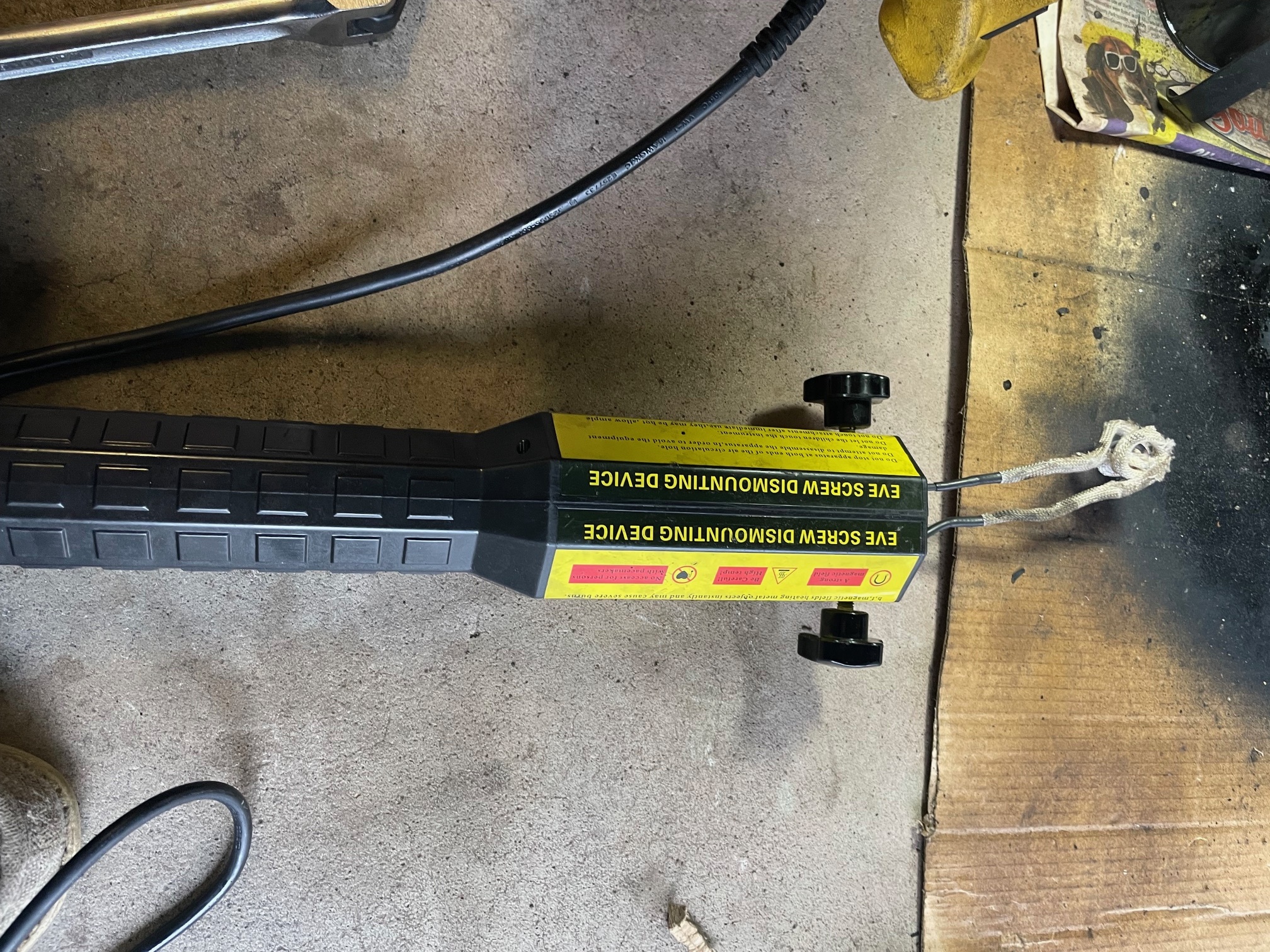
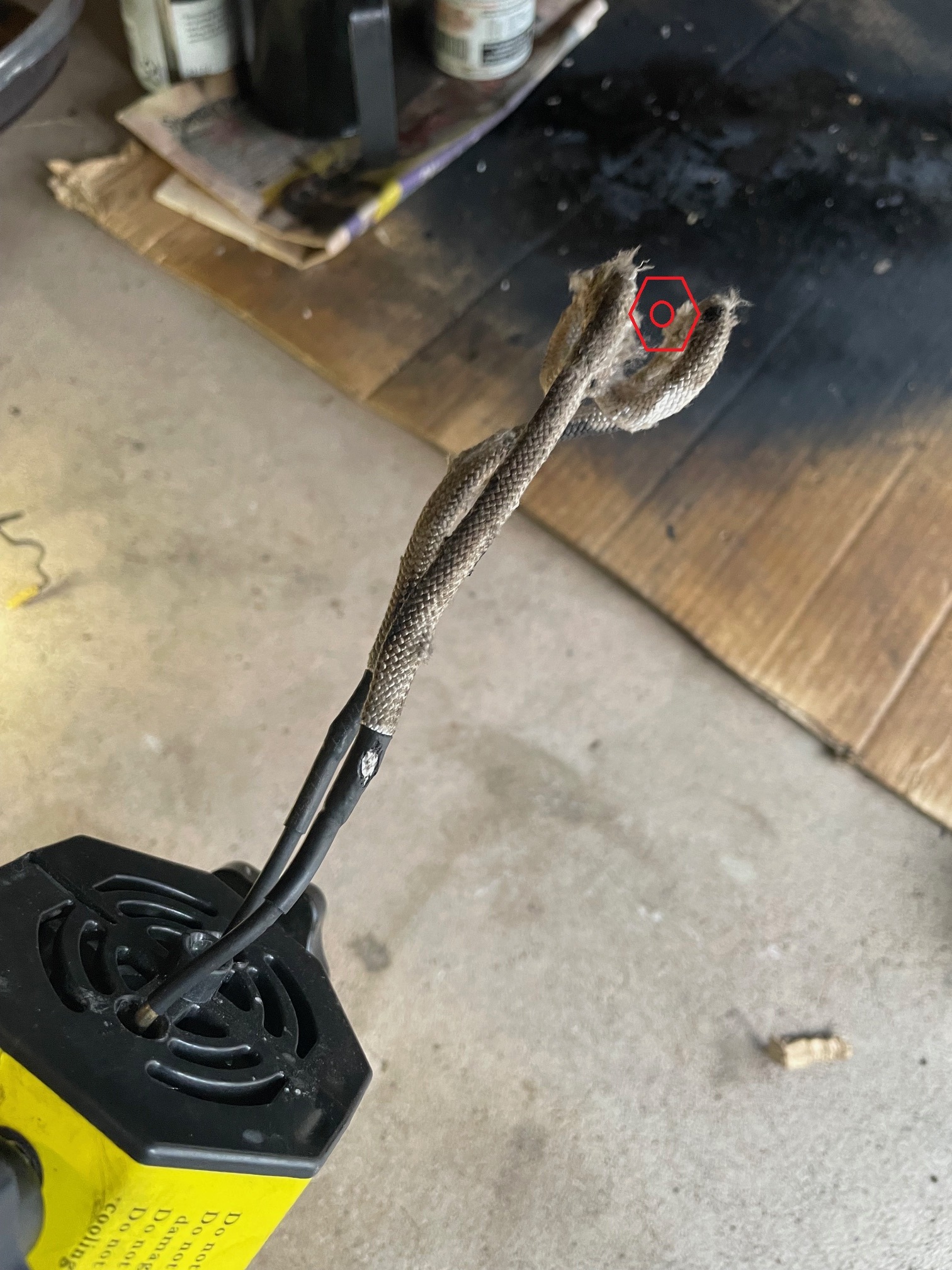
3) Rewind the loops of the induction heater so that they look like the picture below. (You don't need all three coils shown. Two will do.)
4) The nut is very unlikely to simply break free in one go. You will need to break it loose in stages.
This is the process:
- thread the induction heater's coil around the hose and the remainder of the line until the coils are around the union nut. The coils must never touch the fastener (or anything else) for any non-near-instantaneous amount of time.
- heat until it's smokey. Hot brake fluid will shoot out of the line into you bucket.
- withdraw the heater
- counter-hold the t-junction with smooth jaw pliers
- work the nut back and forth with the flare wrench. Use moderate pressure. More than "wrist" pressure. Less than "full arm" pressure. Make sure you aren't transferring more than little force on the t-junction. Put some "loosening" pressure on it. Then some "tightening" pressure. Obviously you want to use a lot of pressure but not nearly so much that you round off the nut. Repeat this back and forth for a few minutes until the joint's cooled off a bit.
- Spray the joint with your preferred "stuff" (You can do this after you heat too, but, it's nasty...)
- Put the tools down and do something else for 10 minutes or so.
- go back to the "thread the induction heater's coil" step.
Repeat this process until it comes loose.
*** It may take three or four repeats before you get a hint of movement. ***
You will get a feel for how hot to make the union. Hotter is better.
Pay attention that you aren't burning anything. The hard lines and junctions will get hot. The may transfer heat to other parts. Don't go crazy. You probably won't be able to make the union nut "red" hot.
5 to 10 seconds of the induction heater should result is some serious smoke. You might want a fan blowing on your face. That "smoke" will be toxic.
@linderpat
Yes, a socket will give you more purchase but, the union nut needs to be "worked" back and forth which is hard to do with a socket unless you have an offset t-handle adapter for it.
It's also important to observe the junction during the process.
And, hot brake fluid will be dripping on you since you can't use both a t-handle adapter and a hose.
After the fifth or sixth repeat, dripping hot brake fluid will probably be done.
Hanlon’s Razor: Never attribute to malice that which is adequately explained by stupidity.
Heinlein’s Corollary: Never underestimate the power of human stupidity.
The Reddit Conjecture: Sufficiently advanced stupidity is indistinguishable from malice.
Worf’s Razor: Never attribute to stupidity that which is adequately explained by laziness.
Worf’s Identity: Sufficiently advanced laziness is indistinguishable from stupidity
Worf's Law: Once you've mitigated risk from stupidity and laziness in your endeavors, failure is usually the result of insufficient imagination.
 My 928 Inspection Guide

















 That's why I'm posting this.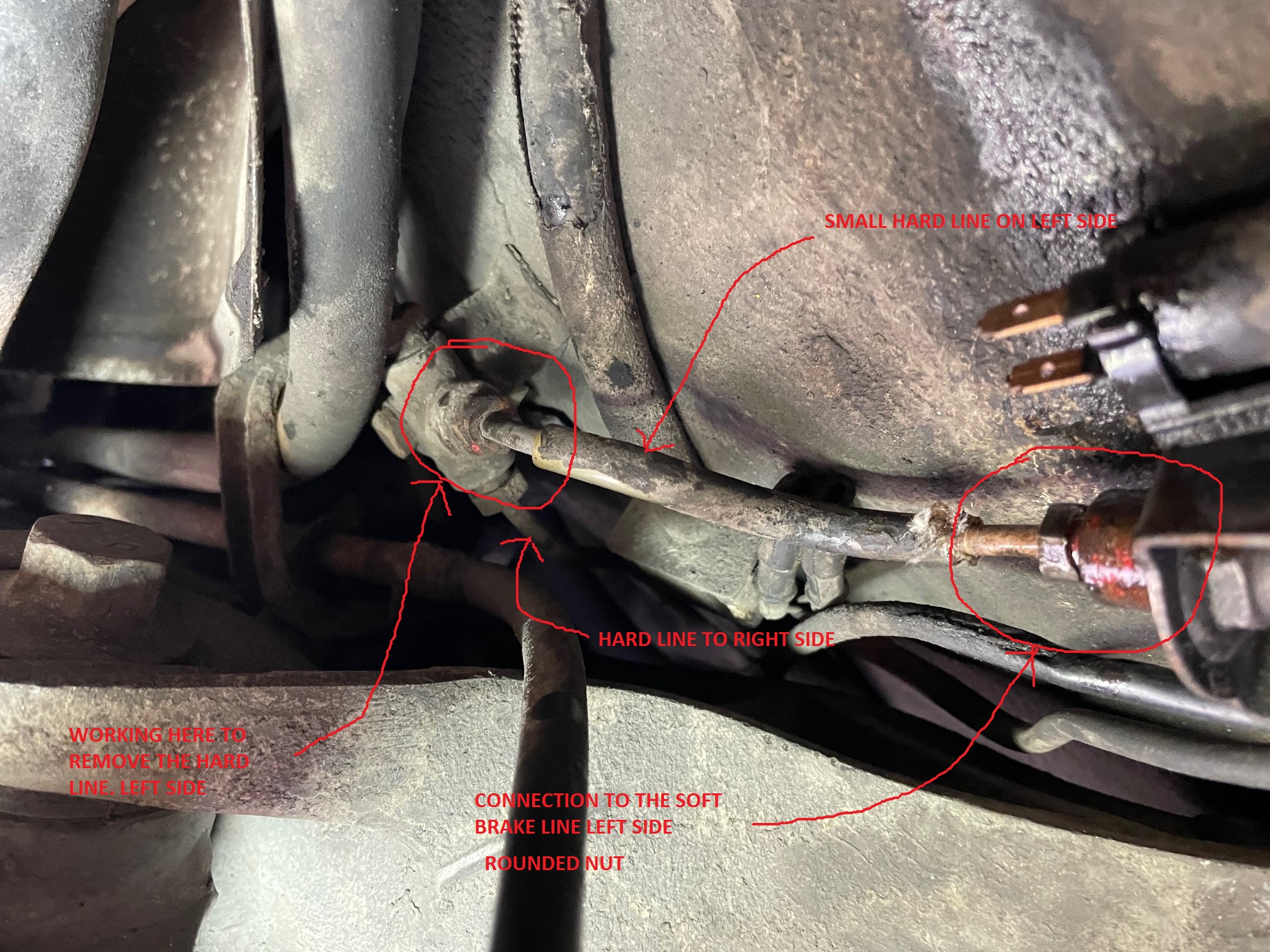
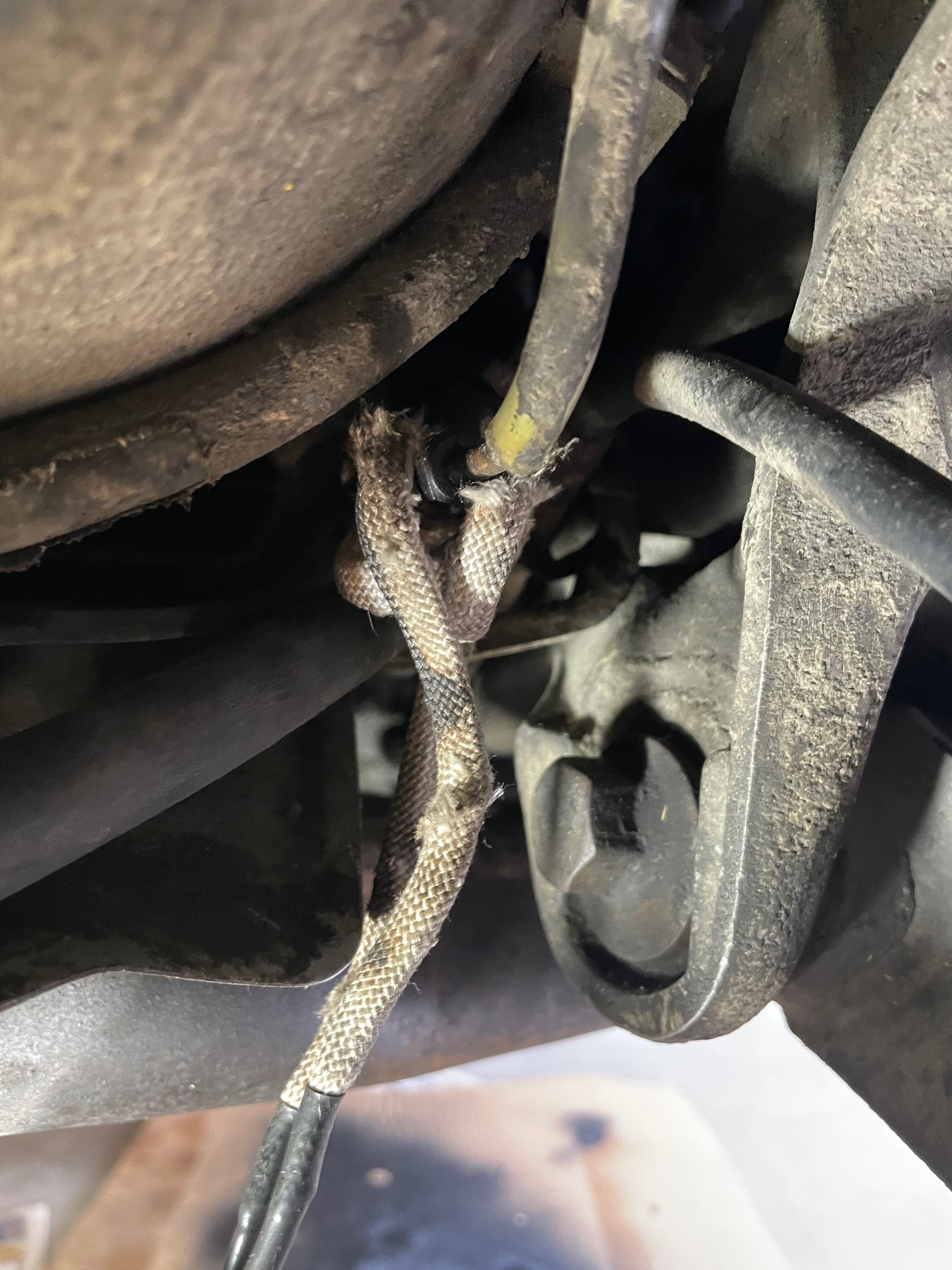
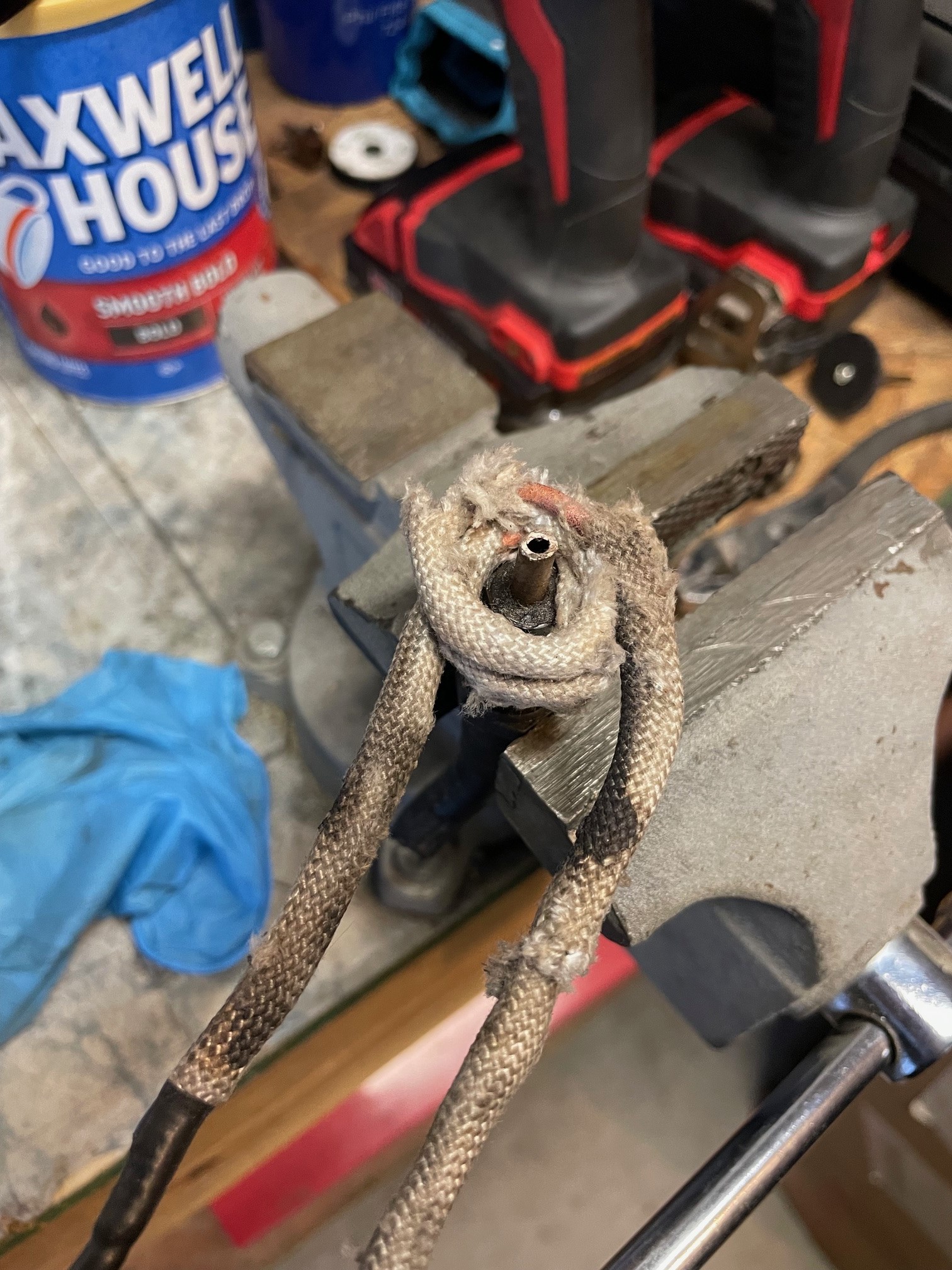
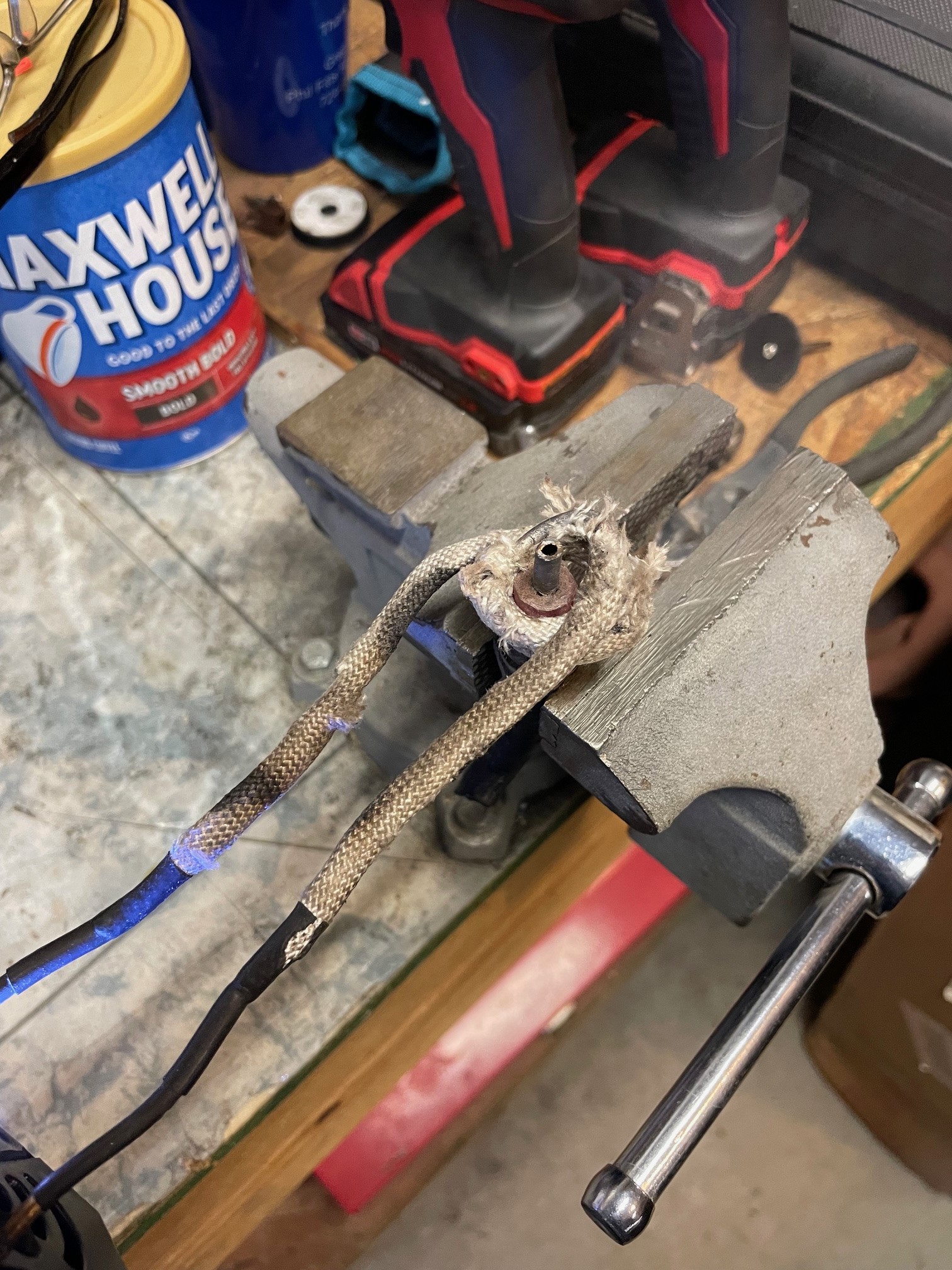
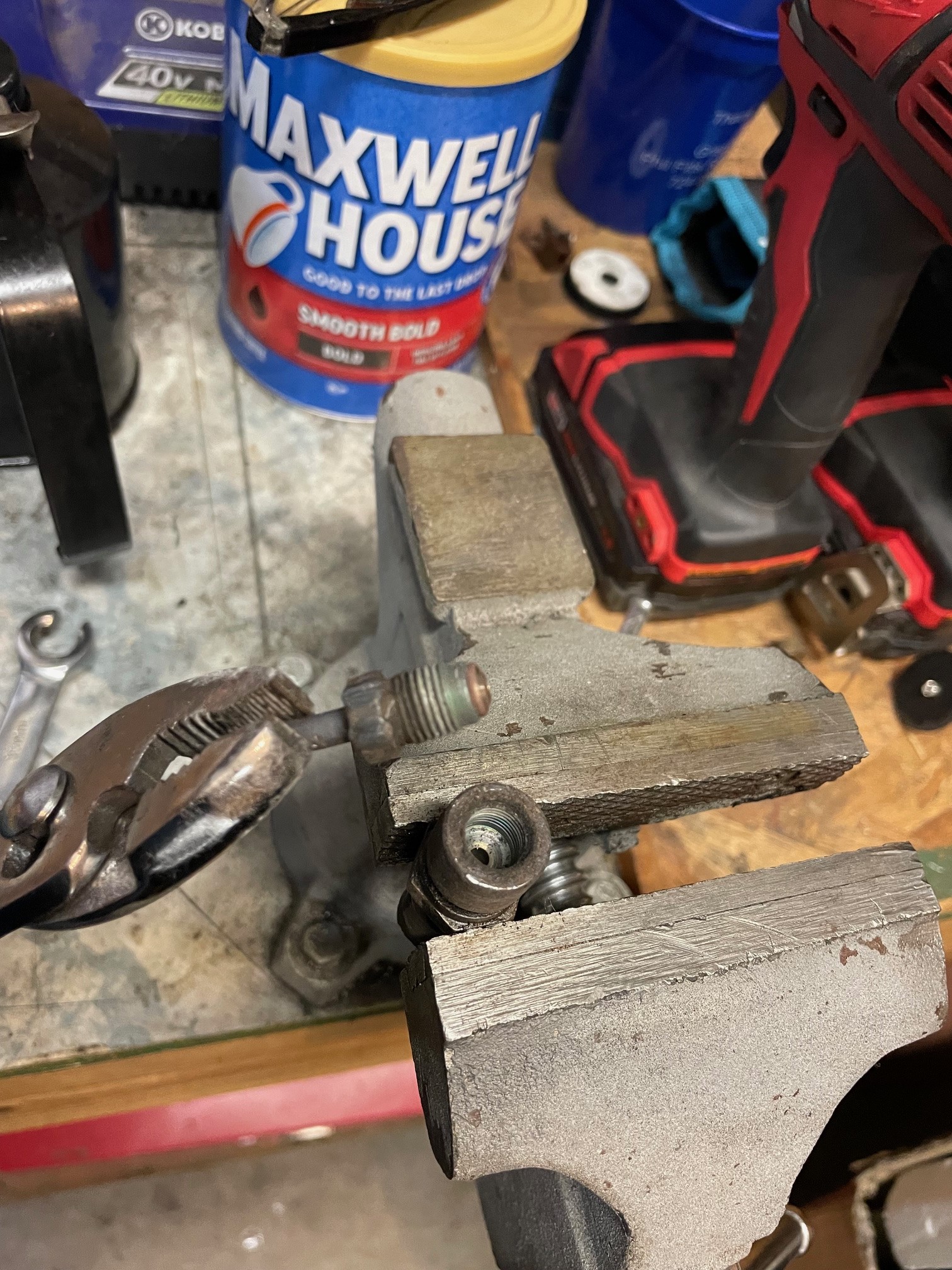


 - By h2pmr
 - By NSXguy