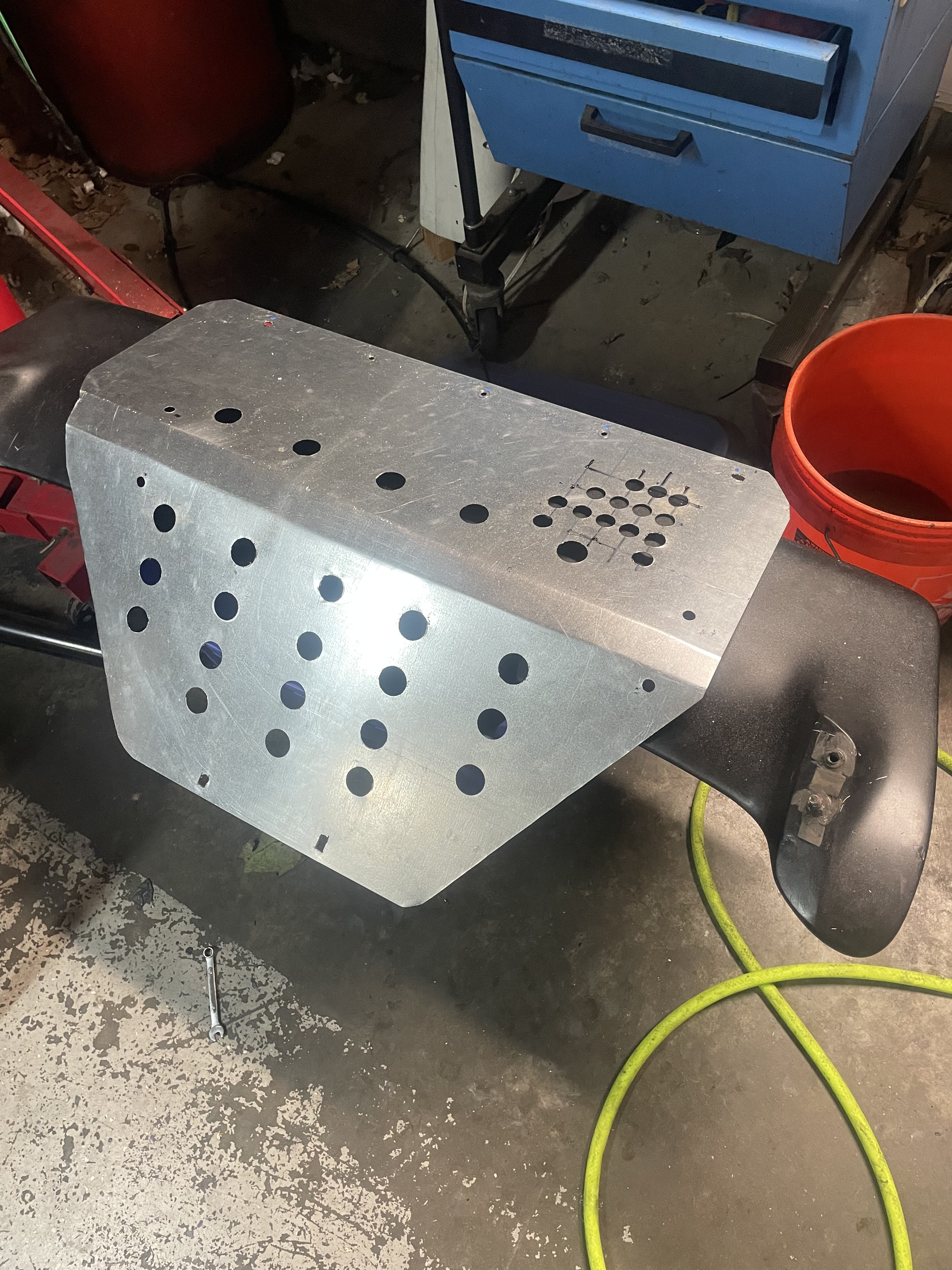
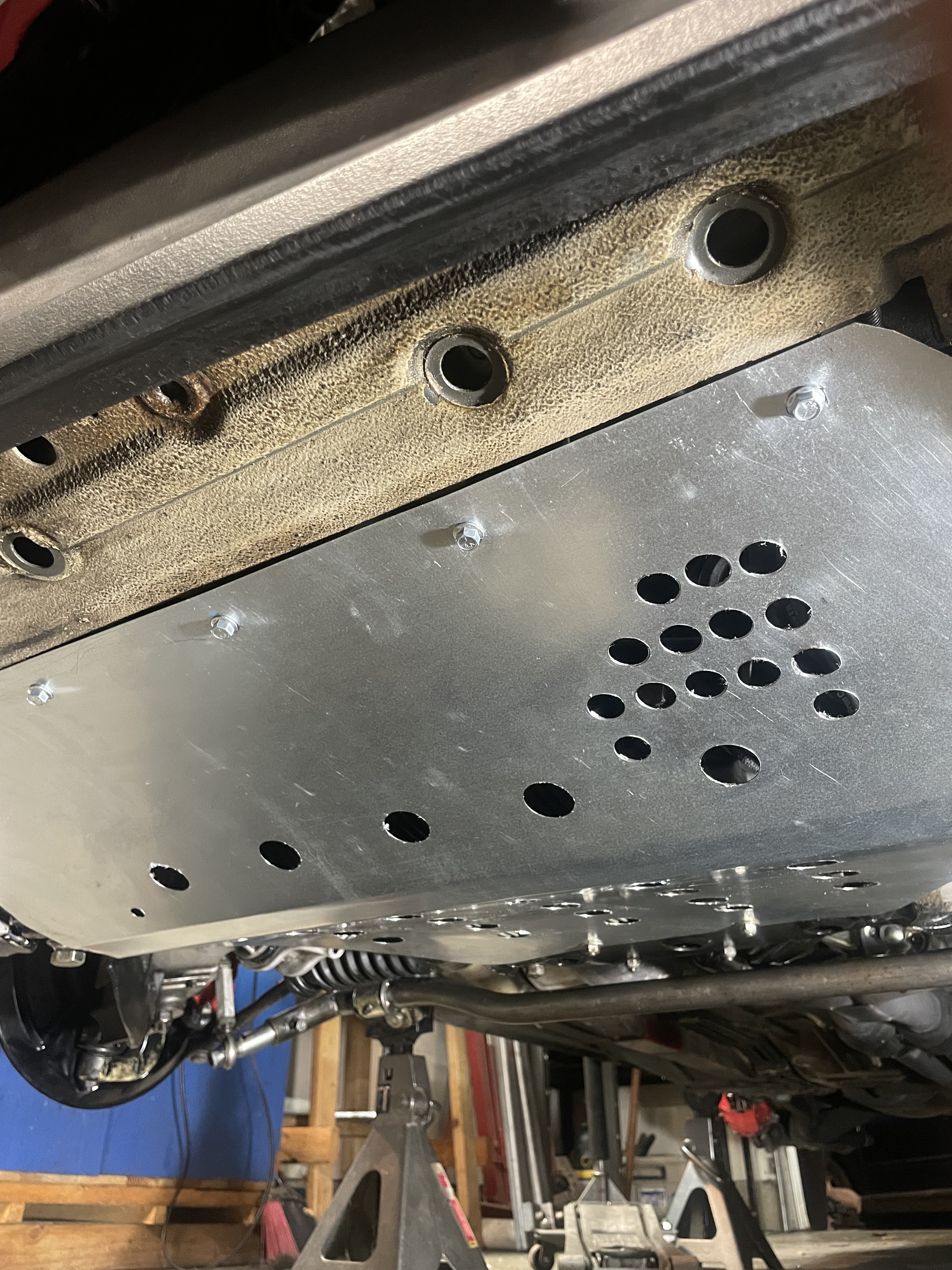
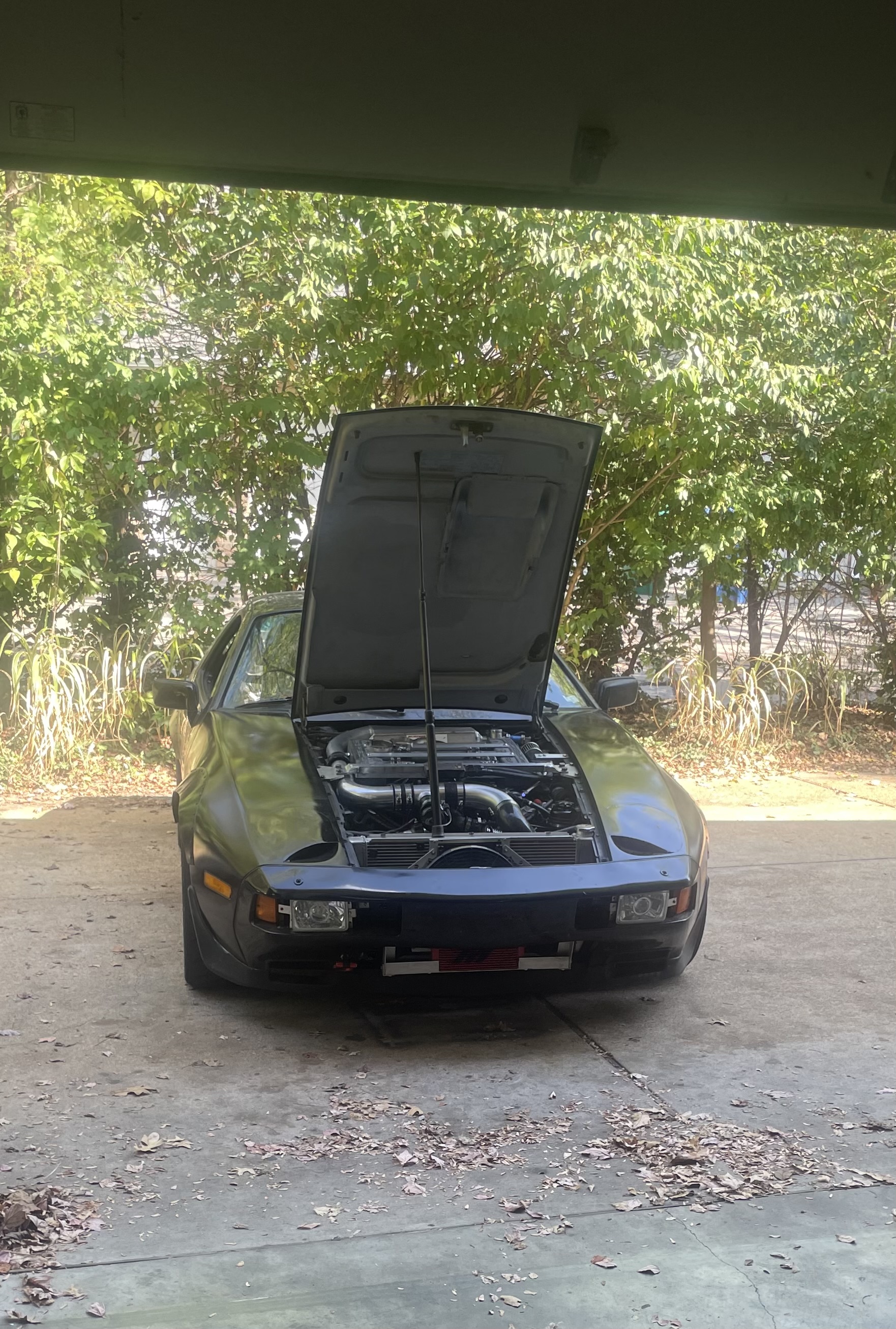
Crumpler wrote: ↑Mon Oct 06, 2025 6:32 pm
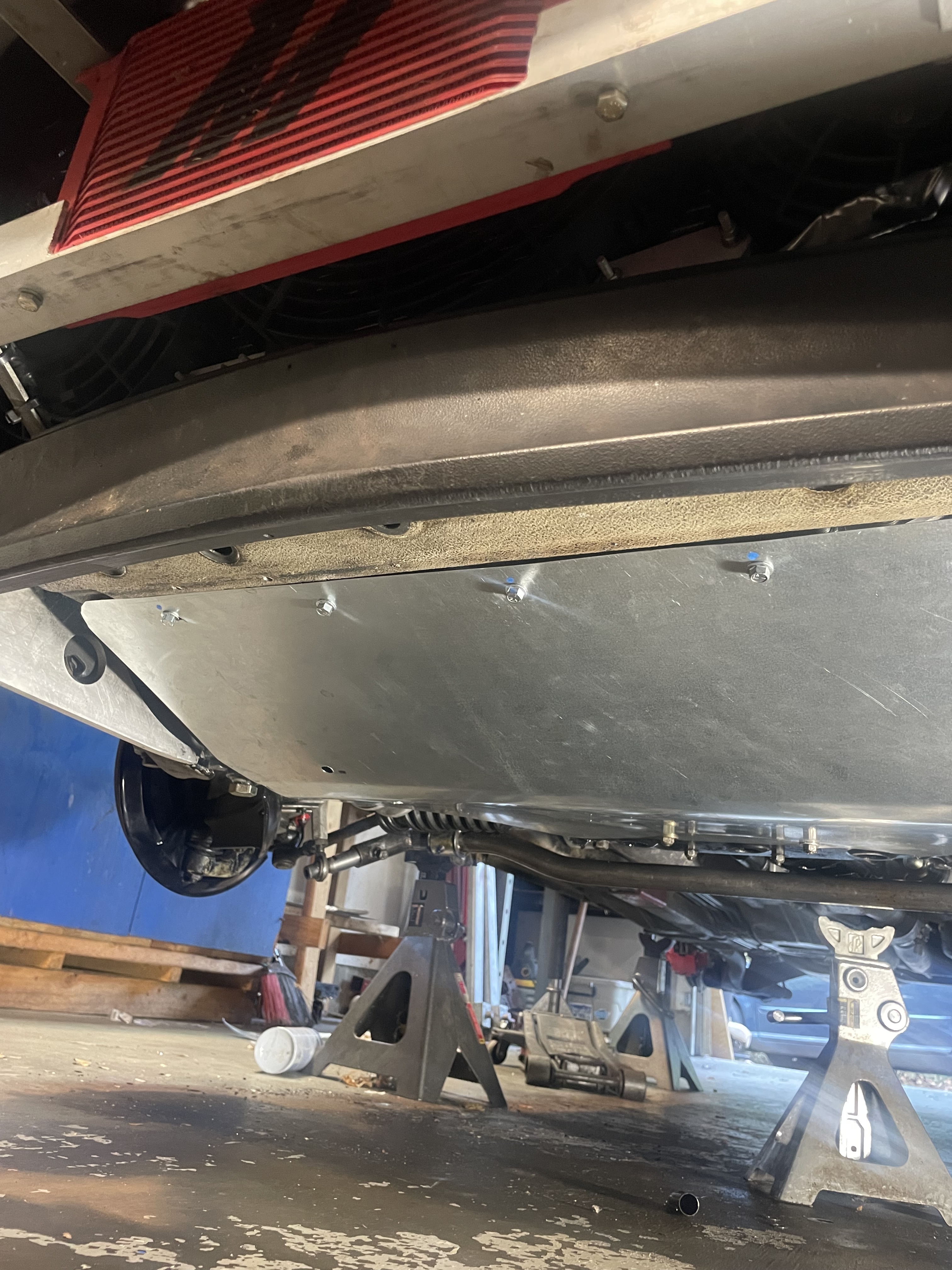
So you guys I am fabricating a belly pan for the 86 track car. It’s forced induction, so I’m looking for some cooling advantage bottom line.
My summary advice?
Run the OE belly pan and mount as many heat exchangers with fans as you can for your intercooler setup.
Crumpler wrote: ↑Mon Oct 06, 2025 6:32 pm
My initial plan was to leave it solid up front and then ventilate the rear. Does that sound credible, or have I achieved nothing except adding some weight to the car?
How to evaluate aero advice:
1) If the advice comes from someone without a degree/background/decades of experience in aerodynamics everything they say will be worse than wrong.
2) If the advice comes from someone with a degree/background/decades of experience in aerodynamics everything they say will be theoretically correct but will be wrong when implemented unless it's done with CFD and fine-tuned in a wind tunnel.
3) If the advice comes Adrian Newey, first pinch yourself to make sure it isn't a dream. If you don't wake up, do exactly what he says.
4) If the advice comes from Clarence "Kelly" Johnson, it's totally correct. But, you're dead. So it doesn't matter.
Crumpler wrote: ↑Mon Oct 06, 2025 6:32 pm
The early models had solid pans from radiator to oil pan basically. I assumed this was to force air through the radiator better.
Yes and no. You can't force air do to anything. You have to tease it and lure it.
The "natural" shape of the pre-S4 928, sans belly pan, is such that there will be various amounts of turbulent/chaotic air, depending upon road speed, between the radiator and the front of the engine. The turbulence starts at the road surface and goes "up" (this is a case where a picture is worth a lot more than a sentence.) The OE belly pan lures the turbulence to the oil pan and thus it can't go up between the radiator and engine. It also, via a smidge of venturi effect, will help draw air, from between the radiator and engine, down and out.
So, it's not forcing air through the radiator. It's reducing the pressure between the radiator and front of the engine to lure air out and down.
Crumpler wrote: ↑Mon Oct 06, 2025 6:32 pm
But what’s the major function of the pan?
Aero function? Cooling? Protection?
All of those.
Crumpler wrote: ↑Mon Oct 06, 2025 6:32 pm
The later models ...
All modern cars have almost completely flat bottoms. This is done via huge under body panels. The primary purpose of making the bottom flat is to reduce aero drag (and thus increase fuel economy.) Without the panels, all the various bits and bobs under the car generate turbulent air. Turbulent air under, over, or behind the car is drag. Drag costs gas money.
Race cars have flat bottoms and purpose-designed and tunnel-tested channels, where they are not flat, to reduce drag and to produce down force. (Rear diffusers are the easily visible manifestation of this.)
Crumpler wrote: ↑Mon Oct 06, 2025 6:32 pm
... have louvres and naca ducts, which I assumed was to pull heat off the block.
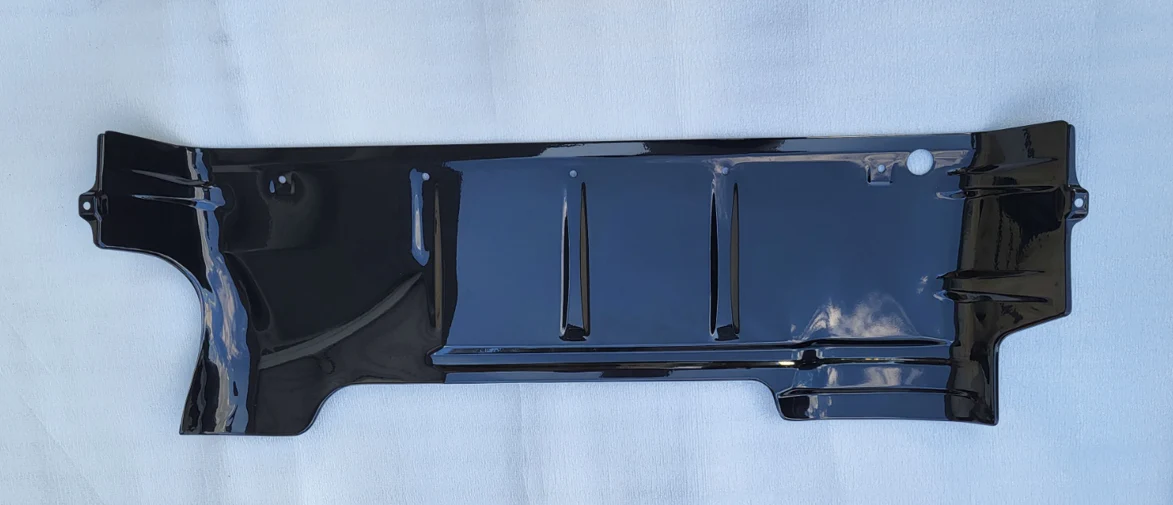
The under body panels for the 87+ 928s reduce drag.
The louvers extract air from the engine compartment via venturi effect. As a result this creates a small negative pressure differential in the engine compartment. This lures hot air out under the car.
The ducts - called NACA ducts because the have a very specific shape that channels air with a minimum of turbulence and direct drag - direct some air back into the engine compartment.
The risers on the inside of the pan, immediately above the outlet of the NACA ducts, channel the ducted air to the engine motor mounts. The overall effect is a circulating cool air current to the back of the mounts which is then sucked back out via the slight negative pressure from the venturi effect of the louvers.
Without risers, there's no cooling effect from the air and motor mounts cook.
Without the louvers there would be a positive pressure differential in the engine compartment making it harder for hot air to leave the compartment.
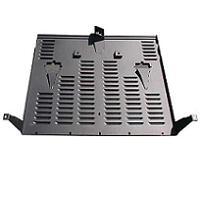
The rear aluminum panel - bolted to the trailing edge of the S4 plastic panel - guides airflow over the cats. Without that tray, air after the plastic panel would be turbulent and would hamper cooling of the cats. The aluminum panel also helps keep the cats from lighting grass on fire if you park in a field.
Crumpler wrote: ↑Mon Oct 06, 2025 6:32 pm
If this is the case, then why not leave it open altogether?
A full S4 panel assembly is better than open, at speed, because of reduced drag and better cooling.
A full S4 panel assembly is worse in stop and go traffic because there's no airflow and thus it traps heat.
An S4 panel assembly without the NACA duct risers is worse than open in all circumstances.
Aftermarket S4 front panels are far, far worse than the OE panel unless they are a totally faithful copy of the OE. (See "How to evaluate aero advice" above.) Mark's aluminum S4 panel is a faithful copy. Other's are not. I've looked at them and they have "aero problems."
Crumpler wrote: ↑Mon Oct 06, 2025 6:32 pm
So far my pan runs from edge of radiator and tapers to edge of the rack.
I'm not Adrian Newey.
The picture looks ok.